Morehead Semi Truck Services Focused on Safety and Performance
Dependable Semi Truck Solutions for Your Long-Distance Hauls
Dependable freight truck services are critical in the logistics industry. They assure timely deliveries and the integrity of cargo during long-distance hauls. With the right vendor, companies can upgrade operational efficiency and customer satisfaction. However, picking the suitable service entails careful consideration of various factors. Understanding these features can dramatically influence overall performance in a competitive market. What should businesses prioritize when considering potential trucking partners?
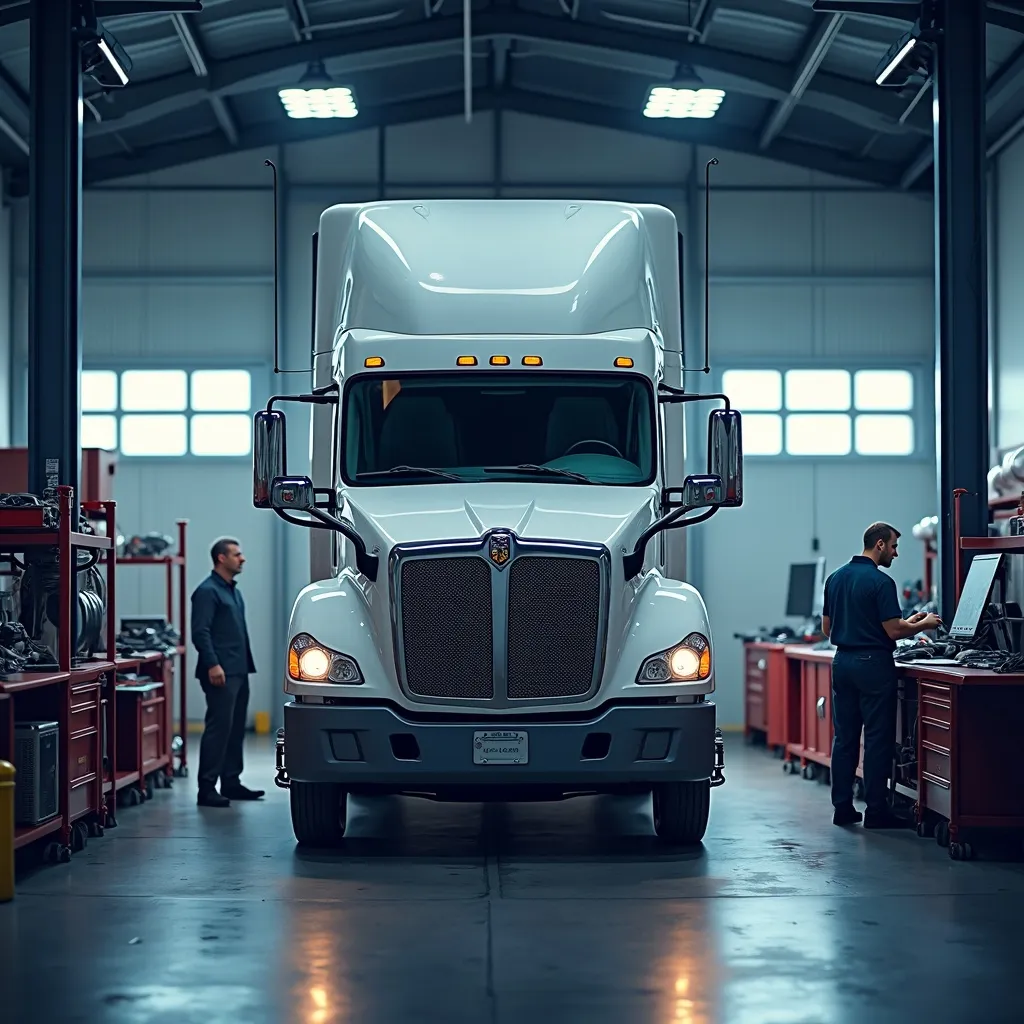
The Importance of Reliable Semi Truck Support
Professional semi truck services represent a vital function in the transportation industry, offering timely shipments and supporting effective logistics. These services represent the backbone for entities that are reliant on transport goods over vast distances. The skill to keep timelines and satisfy delivery targets has a significant effect on an entity's standing and profits. Additionally, reliability of semi truck operations supports reducing operational expenses, as it prevents delays that can lead to economic losses.
Moreover, trustworthy trucking services improve customer contentment by ensuring that products arrive in peak condition and on time. A consistent service also develops confidence between carriers and clients, establishing long-term partnerships. Furthermore, with the expanding demand for e-commerce, the need for reliable transportation has never been more critical. In this competitive landscape, businesses that prioritize dependable freight transportation are better positioned to thrive and adapt to changing market conditions.
How to Evaluate the Reputation of Semi Truck Service Providers
Determining the reputation of semi truck service providers is important for businesses aiming to secure smooth logistics and timely deliveries. Companies can start by evaluating online reviews and feedback from previous clients, which often reflect the reliability and quality of service offered. Social media platforms can also deliver insights into customer experiences and engagement levels.
Moreover, obtaining suggestions from professional contacts can offer critical insights about reliable partners. Enrollment in reputable organizations, such as the American Trucking Association, often suggests a commitment to established criteria and best practices.
It is also advantageous to check for any grievances filed with government bodies, as this can highlight possible problems. Finally, assessing the provider's experience and track record in handling specific freight types may further clarify their expertise. By utilizing these strategies, companies can choose wisely when choosing semi truck service providers.
Vital Factors for Selecting Your Semi Truck Service
Picking a semi truck provider involves considering several key criteria. Reliable and accessible service, transparent pricing, and compliance with safety regulations are essential elements that can greatly impact operational performance. Understanding these elements is crucial for choosing wisely.
Dependability and Availability of Service
Picking a heavy-duty truck service depends heavily on its reliability and availability, because these factors significantly impact operational efficiency. A dependable service promises punctual deliveries, minimizing the risk of hold-ups that could affect client satisfaction and overall business outcomes. Availability is equally critical; a service that operates around the clock can handle urgent requests and unforeseen circumstances, offering peace of mind for long-distance hauls. Companies should assess a provider’s track record, including on-time performance and responsiveness to issues. Also, assessing the fleet’s upkeep practices can show possible dependability, making sure the vehicles are fit for the road and prepared for extended journeys. Ultimately, prioritizing reliability and availability aids businesses in maintaining a competitive edge in the logistics industry.
Price Visibility and Organization
Choosing a semi truck service involves many considerations, with pricing transparency and cost structure being key elements. Prospective clients need to know the cost breakdown tied to their services to make well-informed choices. Transparent pricing eliminates hidden fees and unexpected charges, fostering trust between the client and service provider. A clear structure outlining costs for distance, weight, and additional services helps businesses budget effectively. Furthermore, companies that provide detailed quotes and itemized invoices demonstrate professionalism and accountability. By prioritizing pricing transparency, clients can guarantee they receive equitable compensation for their investments while avoiding unpleasant surprises during long-distance hauls. This clarity ultimately enhances a more successful and seamless transport experience.
Safety Standards and Compliance
Safety standards and compliance requirements are crucial elements in picking a semi truck service. Companies must follow federal and state regulations, including the Federal Motor copyright Safety Administration (FMCSA) guidelines. These regulations encompass vehicle maintenance, driver qualifications, and hours of service. A reputable service will employ qualified drivers with necessary certifications and maintain up-to-date records of inspections and repairs. Additionally, adherence to safety protocols, such as proper cargo securing and the use of safety equipment, is essential. Clients should ask about the service's safety history, including accident rates and compliance audits. By focusing on safety and compliance, businesses can secure reliable transportation while minimizing risks on long-distance hauls. Ultimately, these factors contribute to a trustworthy and efficient semi truck service.
How to Evaluate the Right Pricing Model for Long-Distance Hauling
How can one accurately evaluate the most ideal rate structure for extended-distance shipping? The choice is based on various variables, such as the character of the goods, route length, and market dynamics. Standard rate structures encompass per-mile rates, flat fees, and weight-based charges. Businesses should examine their shipping frequency and quantity to identify which method reduces expenses while securing profitability.
Furthermore, learning the competition's fee structures can supply insights into market standards. For case, per-mile rates may be advantageous for consistent routes, while flat fees could benefit irregular shipments. It's also vital to account for potential surcharges, such as fuel or toll fees, which can materially impact overall expenses.
Finally, selecting the suitable pricing model involves a rigorous assessment of organizational requirements, business trends, and financial goals to verify that the implemented method conforms to the company's long-term strategy.
Why Client Assistance Matters in Trucking
Strong customer support plays a vital function in the trucking industry, shaping both operational efficiency and client satisfaction. Prompt communication between trucking companies and clients builds review trust, guaranteeing that expectations are clearly understood and met. When issues arise, responsive support teams can rapidly address concerns, decreasing potential disruptions to shipments.
Additionally, professional support staff can provide strategic information into warehouse and distribution, assisting clients make informed decisions about their delivery requirements. This hands-on strategy not only elevates the customer experience but also promotes long-term partnerships.
Moreover, strong customer support can differentiate a trucking company in a fierce market. Clients are more prone to remain loyal to a company that makes a priority of their needs and addresses problems successfully. Ultimately, investing in quality customer support is key for maintaining operational success and developing a positive reputation in the trucking industry.
Key Systems in Semi Truck Support
Across the domain of semi truck services, modern systems take on an essential role in maximizing operational efficiency. GPS navigation systems, fleet management software, and telematics with data analytics are critical tools that advance logistics and enhance route planning. These breakthroughs not only optimize performance but also result in cost savings and improved resource management.
GPS Guidance Technology
With the progression of the logistics industry, GPS navigation systems have become vital for semi truck services, improving efficiency and protection while driving. Such systems deliver real-time location tracking, giving drivers the ability to choose the most efficient routes and bypass traffic congestion. With satellite technology integration, GPS raises navigation precision, which cuts down on fuel consumption and shortens delivery times. Additionally, many systems offer features such as route optimization and alerts for road conditions, enabling drivers to make informed decisions while on the journey. The data collected can also be used for performance analysis, helping companies assess driver behavior and route effectiveness. Overall, GPS navigation systems function as an indispensable aid that fulfills the operational necessities of long-haul hauls, assuring timely deliveries and increased customer satisfaction.
Fleet Management Software
Fleet management software transforms the way semi truck services operate by streamlining operations and enhancing decision-making. This technology integrates various functions, allowing fleet managers to track vehicle performance, optimize routes, and oversee maintenance schedules efficiently. By centralizing information into a single platform, it enables real-time tracking of assets, ensuring on-time shipments and reducing operational costs. In addition, fleet management software supports compliance with regulations by automating reporting and documentation processes. The ability to analyze historical data aids in predicting requirements and improving resource allocation. Overall, this software enables logistics companies to enhance productivity, reduce downtime, and sustain a competitive edge in the ever-evolving transportation industry.
Telemetry and Data Analytics
The incorporation of telematics and data analytics into semi truck services markedly enhances operational efficiency. By utilizing real-time data, fleet managers can monitor vehicle performance, track fuel consumption, and improve routes. This technology enables predictive maintenance, minimizing downtime and prolonging the lifespan of vehicles. Data analytics further assists in identifying patterns and trends, allowing for strategic choices that enhances logistics and economic efficiency. Furthermore, telematics systems provide insights into driver behavior, encouraging safer driving practices and enhancing overall road safety. As a result, companies adopting these technologies are well-equipped to respond to market demands while minimizing operational costs. Ultimately, telematics and data analytics represent essential instruments for modernizing and simplifying long-distance hauling operations.
Advice for Creating a Long-Term Partnership With Your Trucking Service
Building a successful long-term relationship with a trucking service demands careful planning and transparent dialogue. First, businesses should establish clear expectations concerning delivery timelines, costs, and quality standards. This clarity promotes shared comprehension and reduces potential conflicts.
Additionally, consistent meetings can create a anticipatory connection, permitting both stakeholders to address concerns before they amplify. It is also valuable to share insights into functional requirements and difficulties, permitting the trucking service to customize its offerings efficiently.
In addition, acknowledging the trucking service's efforts and successes can elevate morale and commitment. Giving feedback and recognizing improvements nurtures a unified atmosphere.
Finally, consider discussing future growth opportunities and how both parties can gain advantage from each other's growth. By investing time and resources into developing this partnership, businesses can ensure not only dependable service quality but also a competitive edge in the logistics landscape.
Regularly Posed Questions
What Categories of Freight Can Dependable Semi Truck Solutions Haul?
Reliable semi truck services can carry various kinds of freight, including agricultural products, machinery, electronics, textiles, and hazardous materials. Their adaptability allows efficient transit across distances, addressing diverse industries and logistical needs.
How Do I Follow My Shipment During Long-Distance Hauls?
To track shipments during long-distance hauls, one can leverage GPS tracking systems, smartphone apps, or online portals provided by the trucking service, ensuring real-time updates on location and estimated delivery times throughout the journey.
What Insurance Options Are Offered for Semi Truck Work?
Insurance options for semi truck services vary and feature liability coverage, cargo insurance, physical damage insurance, and non-trucking liability. Each category tackles specific risks, ensuring adequate protection during long-distance transportation and mitigating potential financial losses.
How Might Weather Conditions Influence Long-Distance Trucking Services?
Weather situations profoundly affect long-distance hauling operations, affecting visibility, road conditions, and driving safety. Rain, snow, and fog can cause delays, increase accident risks, and necessitate adjustments in routes and schedules for ideal safety.
What Should I Consider if My Shipment Is Taking Longer Than Expected?
If a consignment is delayed, the customer should first contact the transportation company for updates, then notify the recipient about the matter. Reviewing the contract for terms and potential settlement options may also be worthwhile.